Pull

Coastlines, canyons, quilombo heritage, and the vast sertão

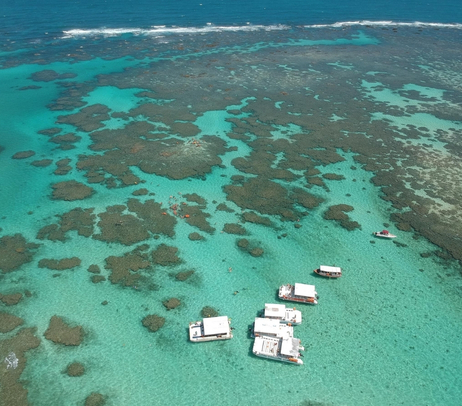
Discover untouched coral reefs in their purest state.

Reefs, canyons, historic towns, and the rustic sertão, seasoned with the true taste of tradition.

Before hitting the road, discover what awaits you.

Flights to Alagoas

Flights to Alagoas (MCZ)

The main gateway is Zumbi dos Palmares International Airport, in Maceió. It serves direct flights from São Paulo, Rio de Janeiro, Brasília, Salvador and Recife.

By Land

By Land

BR-101 connects Alagoas to its neighboring states in the Northeast. AL-101 (North and South) is the primary coastal route, while BR-316 links the Agreste, the Sertão, and the São Francisco River axis.

A Compact Territory

A Compact Territory

Spanning 27,800 km² and divided into 102 municipalities, Alagoas is bordered by the Atlantic Ocean to the east and the São Francisco River to the south.

6 Tourist Regions

6 Tourist Regions

Costa dos Corais, Lagoas e Mares do Sul, Caminhos do São Francisco, Quilombo Region, Agreste, and Caatinga — each offering unique and complementary experiences.

Tropical Climate

Tropical Climate

With average temperatures ranging from 24°C to 30°C year-round, it is the perfect destination for exploring natural beauty in any season.

4 Unique Ecosystems

4 Unique Ecosystems

Atlantic Forest, coastal ecosystems (reefs, mangroves, beaches, and lagoons), the São Francisco River and the Caatinga. All reachable within a five-hour drive.

Alagoas Up Close: What You Need To Know

The journey goes far beyond breathtaking photos. Discover the culture, the stories behind the scenes, and the tips that make the experience even richer.

Life in Alagoas moves at a slower pace, rooted in genuine hospitality. Time flows differently when your feet are in the sand, the lagoons embrace the late afternoon, and the sertão dictates its own rhythm. Local culture is vibrant and alive — found in the music, the delicate lace, the kitchen, and every conversation with the residents. Here, tourism and community go hand in hand.

Alagoas holds some of the most profound chapters in the formation of Brazil. It was in União dos Palmares that the greatest symbol of the Black resistance in the Americas flourished: the Quilombo dos Palmares, whose memory still pulses throughout the territory. The sugarcane cycle shaped the villages, mills, and economies that gave rise to historic cities like Penedo, perched on the banks of the São Francisco River with its preserved colonial heritage. The coast saw the passage of both the Dutch and Portuguese, while the sertão carries the narratives of the cangaço, with Lampião and his era deeply inscribed in the popular imagination. All of this remains alive in the colonial architecture, the traditional festivities, the ways of life, and the stories told by the residents themselves. In Alagoas, the past is not behind us: it is part of the landscape.

Few destinations offer such environmental diversity within such a compact area. Here, the Atlantic Forest coexists with coral reefs, mangroves, lagoons, dunes, and cliffs, while the São Francisco River flows through deep canyons and the Caatinga showcases its resilient flora. The result is a palette that transforms with every hour on the road: from the turquoise blue of the sea to the deep ochre rocks of the semi-arid heartland. Colorful fish, seahorses, sea turtles, migratory birds, and fauna adapted to the sertão complete the scene.

In ecologically sensitive areas, such as the natural pools of Costa dos Corais, access is regulated through visitor limits and environmental fees. For certain attractions, accompaniment by accredited guides is mandatory. This is not an obstacle, but a vital part of the destination’s commitment to preservation. We recommend checking with local visitor centers or the official tour websites for updated rates, which may vary by attraction and season.

Avoid touching the corals, leave no waste behind, respect all signage in conservation areas, and follow the instructions of your local guides. When visiting Quilombola and Indigenous communities, enter with a listening heart and leave with reverence. Preservation is an intrinsic part of the destination’s value.

Visit There:

Practical Tips:

Best Time to Visit:

Sunlight predominates year-round. The lowest rainfall typically occurs between September and March — the ideal window for sea experiences and outdoor activities.

Cellular signal and Wi-Fi:

Reliable in urban and tourist hubs, though signals may be unstable in parts of the interior and along the more secluded coast. Take it as an opportunity to disconnect and slow down.

Banking:

Bank branches and ATMs are available in the main cities (Maceió, Arapiraca, Maragogi, Penedo, and Piranhas).

What to Pack

Light, breathable clothing, sunscreen, and a hat are essentials. Bring comfortable sneakers for trails and a light jacket for nights in the sertão, where temperatures can surprisingly drop.
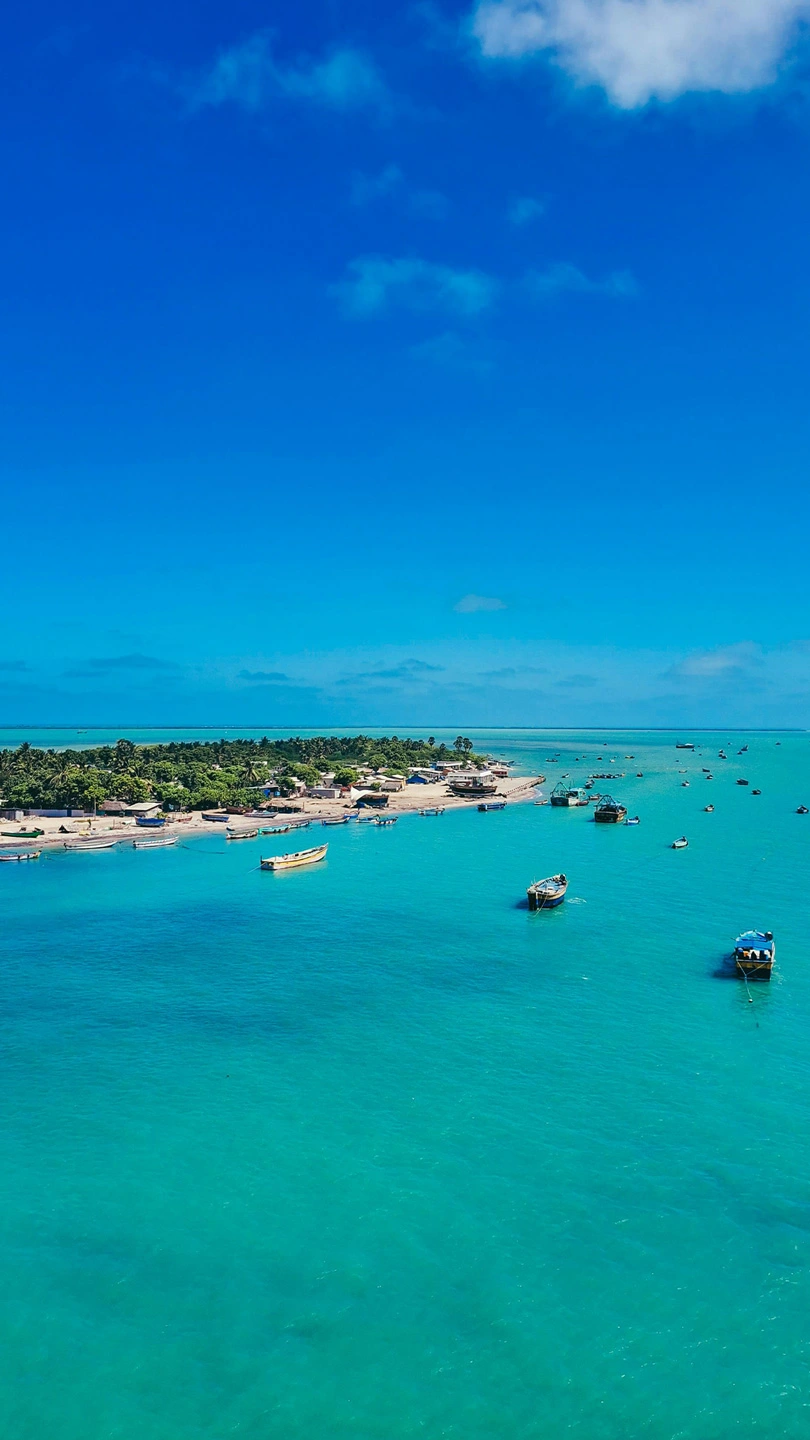
Gunga Beach

Transportation:

To explore multiple regions, renting a car or booking a private transfer is the most efficient choice. Within Maceió and other major towns, ride-sharing apps work well. While intercity buses connect the state, they tend to be time-consuming.

Money:

Credit and debit cards are widely accepted. However, for local markets, traditional communities, and small establishments, keeping some cash on hand is highly recommended.

Hidratyon:

Stay hydrated. The Northeast climate is unforgiving to those who overlook their water intake.

Electricity & Voltage:

The standard voltage is 220V, though some hotels may offer 110V sockets. We recommend that international travelers bring universal adapters, as plug shapes may vary.

<span class ="tr_" id="tr_1" data-source="" data-srclang="pt-br" data-orig="Alagoas – Widget Turístico">Alagoas – Widget Turístico</span>

Choose your way to live Alagoas

There is no need to follow a fixed itinerary. You choose the experiences you want to have, and we show you where they are most vibrant. Alagoas is meant to be discovered on your own terms.

Explore by experience type

1 COAST TWO CORALS 2 LAGOONS AND SOUTH SEAS 3 PATHS S. FRANCISCO 4 DOS REGION QUILOMBOS 5 AGRESTE 6 CAATINGA Maragogi Japaratinga Camaragibe Pass Porto Calvo B. de Santo Antônio Marshal Deodoro Barra de São Miguel Jequiá da Praia Coruripe Penedo Sugar Loaf Delmiro Gouveia Piranhas Union of Palmares Walls Capela Arapiraca Palm Tree of the Indians Happy Field Santana do Ipanema Mata Grande Major Isidoro Maceió
Mouse over regions

Related regions

As Getting Here

The beginning of your journey is simpler than it seems. Alagoas welcomes you by air or land.

Distances from Maceió Average travel time by car Airport Zumbi dos Palmares until 2h Coral Coast North Coast until 2h30 Lagoons and South Seas South Coast 1 a 3h Agreste / Quilombos Interior 3 a 5h Paths of San Francisco Sertão and Canyons 3 a 5h Caatinga Semi-arid Coral Coast Lagoons and Seas S. Francisco Quilombos Agreste Caatinga Maceió

Where to stay: find your style in Alagoas

From boutique hideaways nestled in coconut groves to urban hotels in the heart of the capital, Alagoas has a bed with your name on it.

Where to stay: Find your refuge in Alagoas

From the rustic charm to the luxury of beachfront properties, find the perfect accommodation to recharge your energies.

Types of Accommodations:

Traditional Inns

Simplicity, welcoming and direct contact with local culture.

Boutique Guesthouses

Design, personalized service and courated experiences, especially on the Ecological Route of Miracles.

Resorts

Full-service amenities, integrated leisure, and a focus on comfort, with a strong presence on the south coast.

21 Bed

City Hotels

Ideal in Maceió, Arapiraca and other cities in the interior.

Seasonal Houses and Apartments

Privacy and flexibility, perfect for groups and families.

Experiential Accommodations

Located in quilombola communities, heartland villages, and rural areas, with a focus on authenticity and cultural immersion.

Choose your way to Alagoas

There is no need to follow a fixed itinerary. You choose the experiences you want to have, and we show you where they are most vibrant. Alagoas is meant to be discovered on your own terms.

The seasons and flavors that only Alagoas offers

Discover what makes Alagoas even more special throughout the year — from vibrant cultural festivals to experiences you will not find anywhere else.

Festival of

data
Text

Name

text

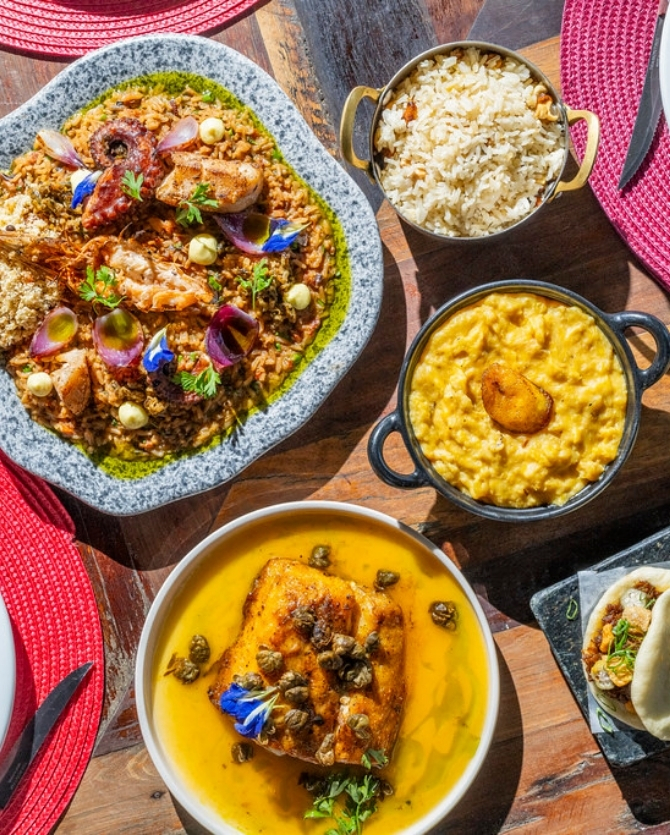
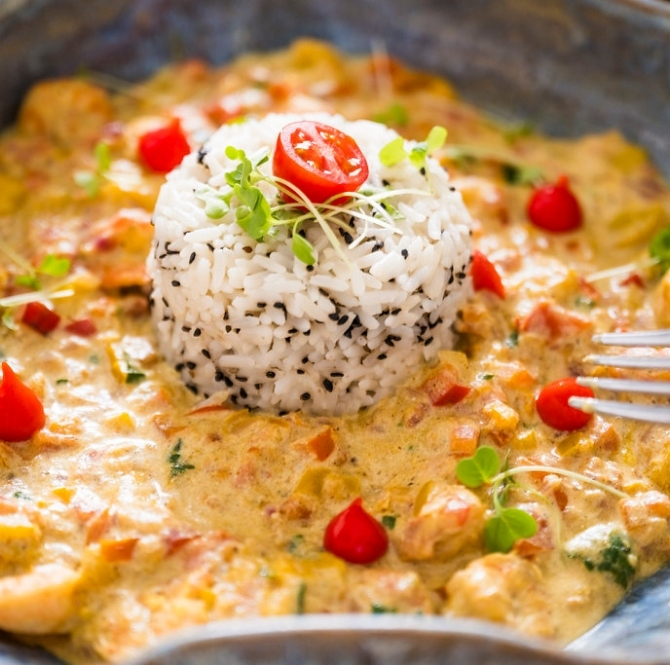
Alagoas cuisine is a journey of its own. The sea, lagoons, mangroves, and the heartland all meet on the same plate — seasoned by tradition, heritage, and the warmth of those who cook with heart.

Typical Dishes:

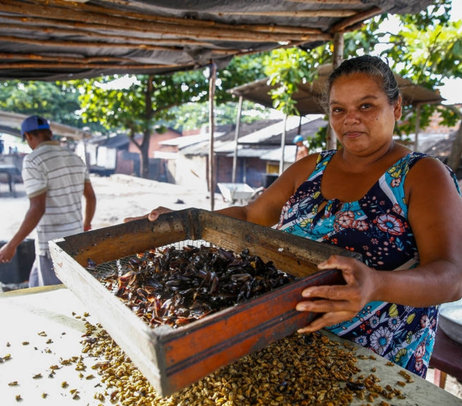
  • Sururu in Coconut Sauce (Local shellfish)
  • Sururu Broth
  • Alagoas-style Fish
  • Shrimp Chiclete
  • Fish and Seafood Moqueca
  • Massunim (a delicate local shellfish from the lagoons)
  • Sun-dried Meat with Cassava
  • Galinha Caipira (Free-range Chicken)

Local Ingredients:

Fresh seafood (fish, shrimp, sururu, massunim), coconut milk, cassava, artisanal dendê oil, and tropical fruits. The flavors of the mangroves and the caatinga form the foundation of our original cuisine. Here, ingredients are identity.

Traditional Drinks:

  • Fresh Coconut Water
  • Tropical Fruit Juices
  • Artisanal Cachaça
  • Regional Liqueurs
Fish and Seafood Moqueca

More than eating, in Alagoas you have experiences that tell the story. Seaside and lakeside restaurants, beach huts with regional cuisine, family kitchens, experiences in local communities and the most intense gastronomy of the hinterland make up a wide repertoire.

Special highlight:

Pilar, in the lagoons region, is a reference in the tradition of sururu and mangrove fruits. Book a stop there.

Golden tip:

Book at least three memorable meals: one by the sea, one in a local community and one trying the cuisine of the countryside. Three regions, three affectionate memories, a trip that remains in your mouth long after.

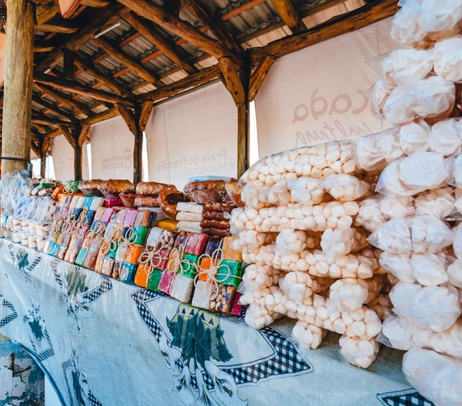
Here, what goes in the suitcase carries history, tradition and hands that resist. Crafts, flavor and culture become concrete memories.

Typical Products:

  • Fillet income (state cultural heritage)
  • Handmade embroidery and lace
  • Carved wooden pieces
  • Ceramics
  • Straw and natural fiber products
  • Quilombola crafts
  • Regional gastronomic products (cachaças, liqueurs, sweets, rapaduras)
  • Souvenirs with strong cultural identity

Regional highlights:

Marshal Deodoro: reference in the production of fillet lace
Penedo: crafts linked to historical and colonial culture
União dos Palmares: cultural and identity production of the Quilombos Region
Agreste and Sertão: wood, fibers, ceramics and traditional crafts from the interior

Where to Buy:

  • Craft fairs
  • Cultural centers
  • Specialty stores
  • Local markets
  • Producer communities (direct purchase from the artisan)

Important tip:

Give preference to purchasing directly from the producer. It's a concrete way to value the local economy and take home, along with the piece, the story behind it. In Alagoas, crafts are not industrial, they are cultural.

<span class ="tr_" id="tr_74" data-source="" data-srclang="pt-br" data-orig="Quanto custa viajar para Alagoas?">Quanto custa viajar para Alagoas?</span>

How much does it cost to travel to Alagoas?

Alagoas is versatile when it comes to your budget. You can travel simply or choose a more sophisticated path, without ever losing the essence of the destination.

High season: Dec–Mar
Estimated daily values per couple
Accommodation
Average daily rate per couple
Simple inns and family-run stays:
R$ 120–250 per night
Full-service inns and 3-star hotels:
R$ 250–500 per night
Prime-location hotels with superior comfort:
R$ 500–900 per night
Boutique guesthouses (Ecological Route) and Resorts:
R$ 900–2.500+ per night
Meals
Per person per meal
Casual eateries and regional food:
R$ 20–40 per meal
Local restaurants and beachfront kiosks:
R$ 40–80 per meal
Premium seaside dining:
R$ 80–150 per meal
High-end culinary experiences:
R$ 150–300+ per meal
Main tours
Per person (unless specified)
Natural pools on a raft:
R$ 80–150
Buggy rides:
R$ 200–400 per vehicle
Reef diving:
R$ 150–300
Boat in the São Francisco canyons:
R$ 100–250
Guided trails and experiences:
R$ 50–150
Cultural and community experiences:
R$ 50–120
Transport
Transfers and rental
Transfer Airport → north coast
R$ 150–300
Transfer Airport → south coast
R$ 100–250
Transfer → São Francisco and Sertão
R$ 300–600
Car rental:
R$ 100–250 per day
Estimated daily budget
Per person, including accommodation, food and tours
Budget
R$ 150–300
Simple inns, casual eateries, basic tours
Mid-Range
R$ 300–600
3* hotels, local restaurants, 1-2 tours/day
Upscale
R$ 600–1.200
Prime-location hotels, fine dining, premium tours
Premium
from R$ 1,200
Boutique guesthouses, high-end culinary experiences, private curated tours
High Season
December to March & Public Holidays

Higher demand, increased prices, and busier beaches.

Expect higher rates and more activity at beaches and inns. Advance reservations are essential, especially along the Coral Coast.

Book 3–4 months in advance. Special events and school holidays directly impact pricing.
Low Season
April to November (excluding holidays)

Greater tranquility, better rates, and excellent value for money.

With more competitive pricing and fewer crowds, you can enjoy every corner of the state in peace. The sea remains perfect, and the inns offer an even more intimate atmosphere.

This is the best value for money in the state. Even in the low season, planning in advance always pays off.
Strategic tip

Mix and match to maximize your experience

Alagoas is perfect for smart combinations. You can opt for simpler accommodations and invest in premium experiences — or choose a boutique hotel and balance it with more casual, independent tours. The destination adapts to both your style and your budget.

Alagoas is not just a place; it is a collection of places. It is the translucent sea that feels like a swimming pool, the canyon that carves through the heartland, the drumbeat that starts the party, the handcrafted filé lace passed from hand to hand, and the memory of a dish you will want to recreate at home.